The Rise of Food Tourism: Cooking Classes in Venice Explained
Tourism information demonstrates experiential vacation has grown by around 35% globally, with food-based actions standing among the most effective three preferences for international travelers. In places like Venice and Rome, culinary tourism continues to develop as guests seek immersive national experiences as opposed to old-fashioned sightseeing alone. Among these, cooking classes in Venice Italy are becoming a standout interest, specifically for English-speaking tourists from nations such as the United States, the United Kingdom, Canada, and Australia. One of the very often asked questions is just why Venice stands apart compared to different Italian cities. Data show that more than 606 of tourists in Venice take part in a minumum of one led ethnic task, and cooking classes rank on the list of highest-rated experiences. The charm is based on the city's distinctive blend of history, local materials, and personal understanding environments. Guests are not only taught recipes but in addition presented to Venetian traditions, seasonal produce, and regional cooking methods that differ from other areas of Italy.
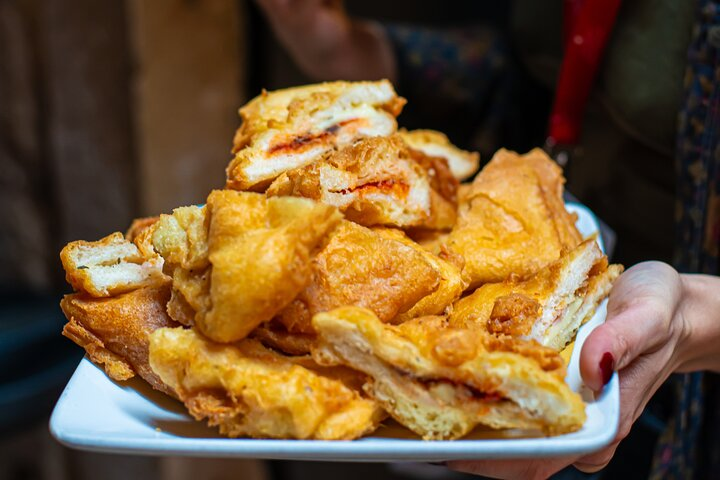
Yet another essential tendency involves convenience for international visitors. Approximately 70% of culinary classes in Venice today provide English-speaking instructors, ensuring a smooth and interesting experience. This is specially very theraputic for travelers from English-speaking nations, because it removes language barriers and enhances the academic price of the class. Several periods also contain guided market excursions, letting individuals to explore local substances and realize their sources before cooking. Travel conduct ideas reveal that tourists increasingly prefer small-group or personal classes. Data implies that 55% of bookings are now actually for individualized or boutique activities rather than large group sessions. This change highlights the rising need for authenticity and hands-on interaction. Visitors frequently question whether these classes are suitable for novices, and the answer is overwhelmingly positive. Most programs are designed to provide all skill levels, making them available to even individuals with no previous cooking experience. Location also plays an essential role in decision-making. cooking classes positioned near main areas or famous landmarks in Venice tend to rank larger in local research benefits and attract more bookings. Moreover, many people mix their Venice culinary knowledge with trips to Rome, developing a broader Italian food journey. That dual-destination method has increased by almost 25% lately, especially among tourists from France and Spain that are exploring Italy's local diversity. Another frequent problem revolves round the types of dishes taught. Venetian cooking classes often concentrate on new pasta, seafood specialties, and standard desserts. Periodic selections certainly are a important highlight, ensuring that individuals experience real tastes aligned with local traditions. That focus on reliability adds to higher pleasure prices, with more than 90 of individuals standing their experience as “excellent” or “very good.”
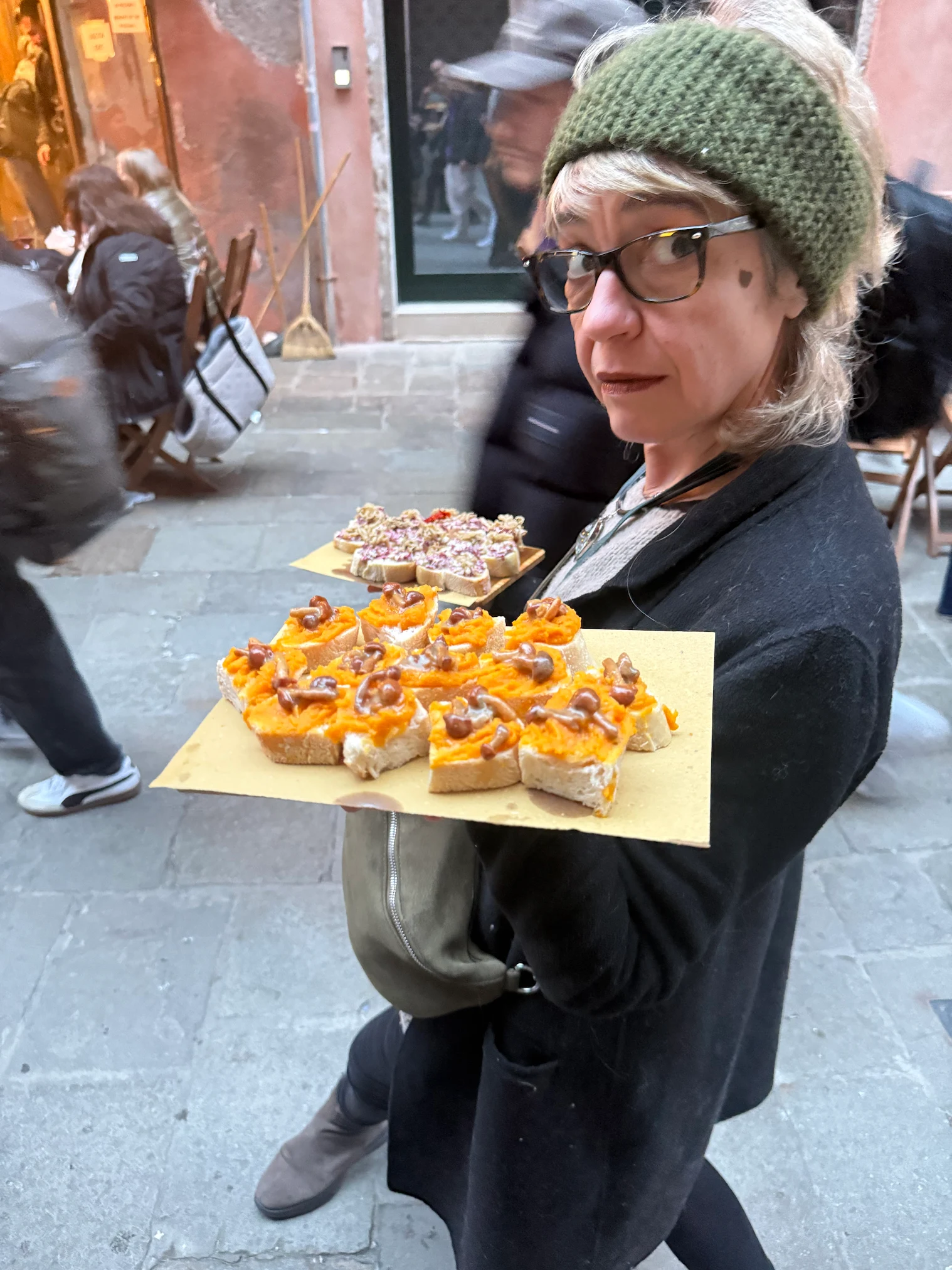
Digital developments also reveal that tourists rely heavily on local SEO and map-based queries when selecting activities. Listings optimized for Venice and Rome locations tend to perform considerably greater, particularly if they contain obvious explanations, current schedules, and authentic reviews. Organizations that maintain strong on line exposure and offer detail by detail booking choices see up to 40% larger engagement. In summary, cooking classes in Venice tend to be more than simply a tourist activity—they represent a growing part of experiential journey driven by credibility, availability, and ethnic immersion. For English-speaking tourists, these classes offer a unique possibility to connect with Italian history while making remarkable, hands-on activities that increase much beyond the kitchen.